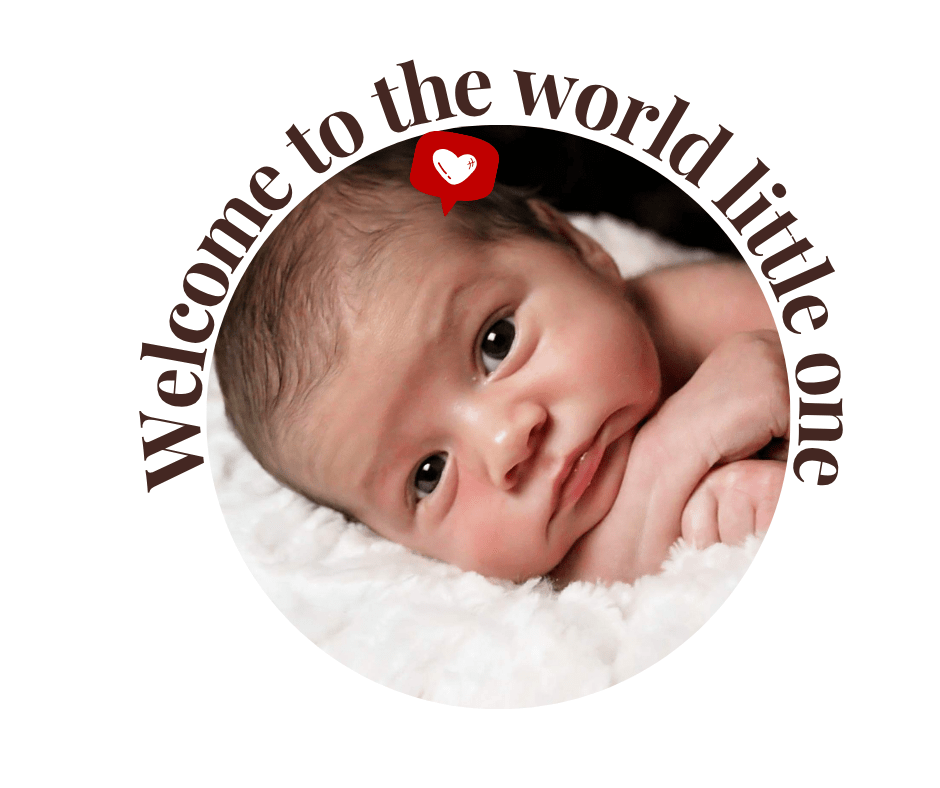
Did your baby PASS the Heart Disease Screening?
Congenital Heart Defects (CHD) are the most common birth defects globally, caused by structural issues in the heart. As part of routine newborn screenings, your baby will have a Critical Congenital Heart Defect (CCHD) screening.
ASK your Care Team to discuss results.
The (CCHD) pulse ox screening measures the oxygen level in the blood and the heart rate. The test is fast, easy, and does not hurt. The screening is done after 24 hours after birth to allow the baby’s heart and lungs to fully adjust to life outside the womb.
Parents should know that newborn screening cannot catch every heart defect, so it’s crucial to be aware of warning signs to watch for at home.

WARNING SIGNS:
Poor feeding or tiring easily during feeds
Bluish color around lips-face-fingertips
Fast or labored breathing (especially when resting or feeding)
Extreme sleepiness or low activity
Poor weight gain or failure to thrive
Sweating during feeds or with activity
If you notice any of these warning signs in your baby, please contact your baby’s healthcare provider immediately.*
Let your baby’s healthcare provider know: a family history of CHD, a known genetic condition, or any maternal risk factors during pregnancy.
As your baby grows, make sure to schedule regular heart check-ups and monitor their growth and development. If your baby has a Congenital Heart Defect (CHD), ensure they receive long-term care coordination.
With timely detection, many CHD babies live full lives!

Medical Articles
What is newborn screening?
Many parents don’t know which conditions are included in screenings or what screenings are provided in New Mexico.
Newborn Screening Resources for Families
Public health newborn screening is a system that identifies conditions that can affect a child’s long-term health or survival. Early detection, diagnosis, and intervention can prevent death or disability and enable children to reach their full potential.
 Hole In The Heart