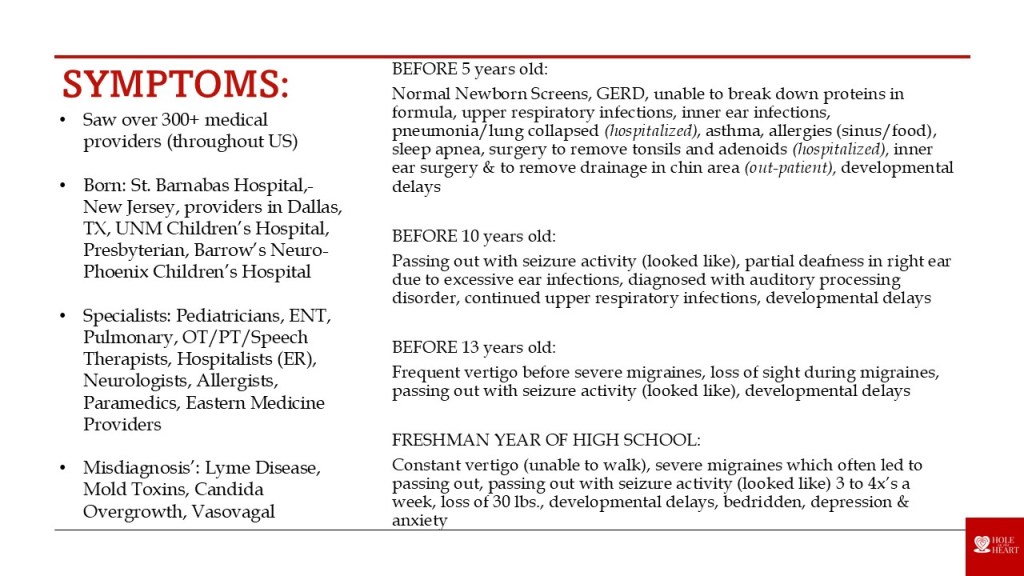
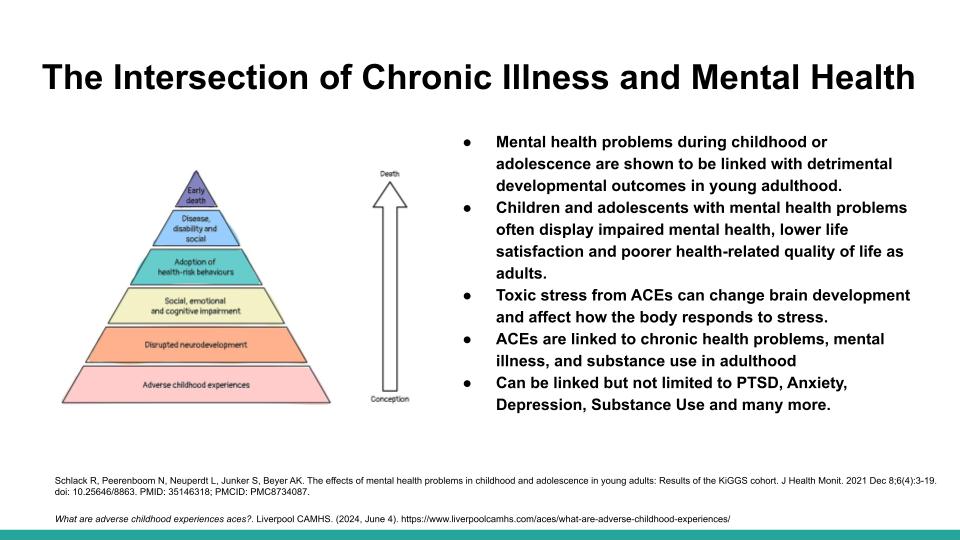
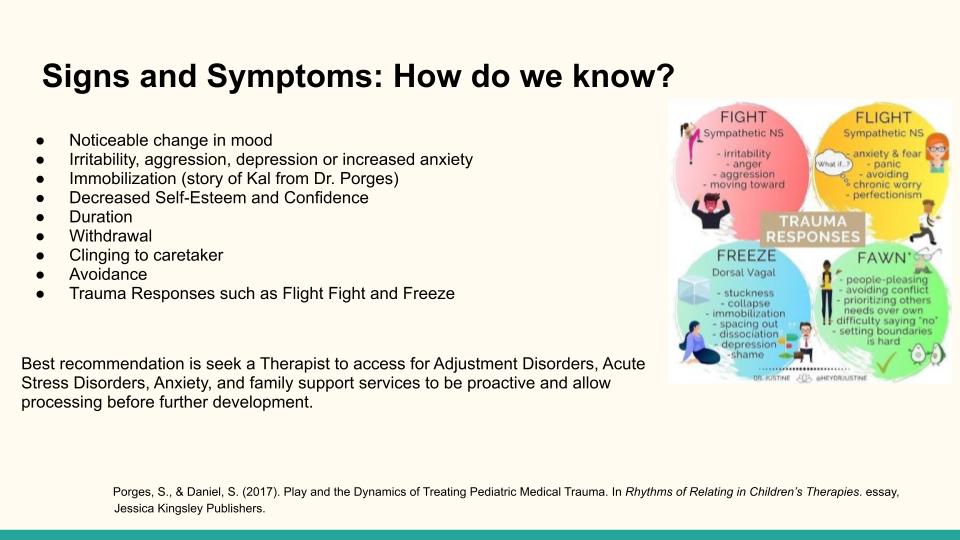
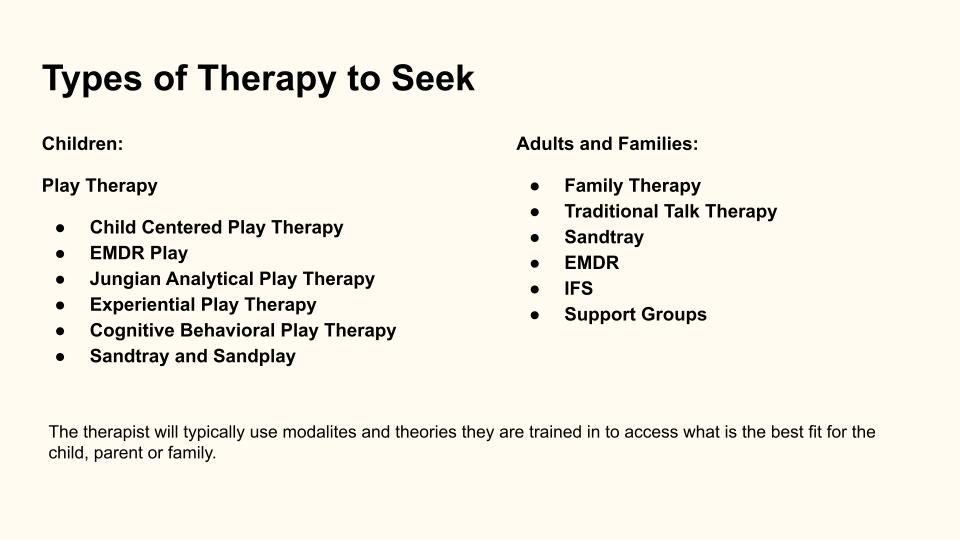
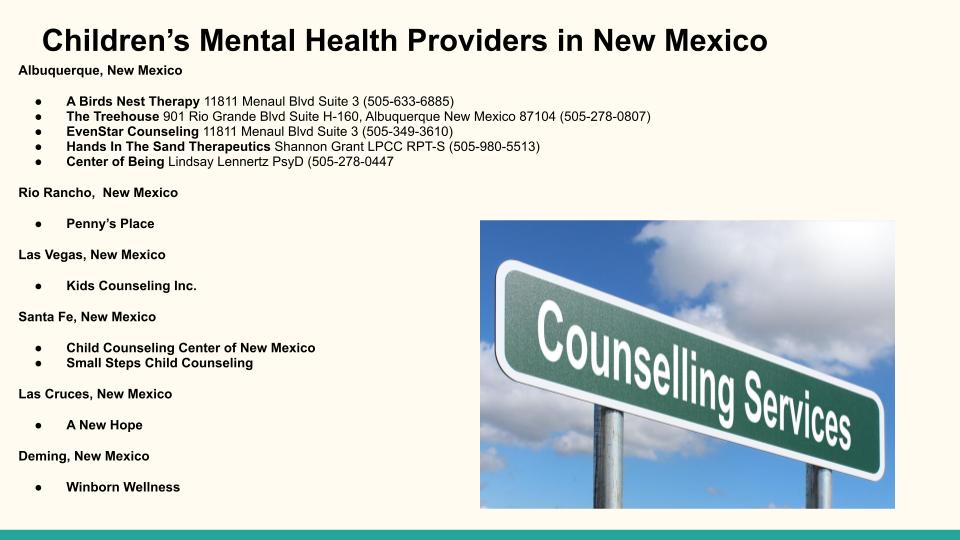
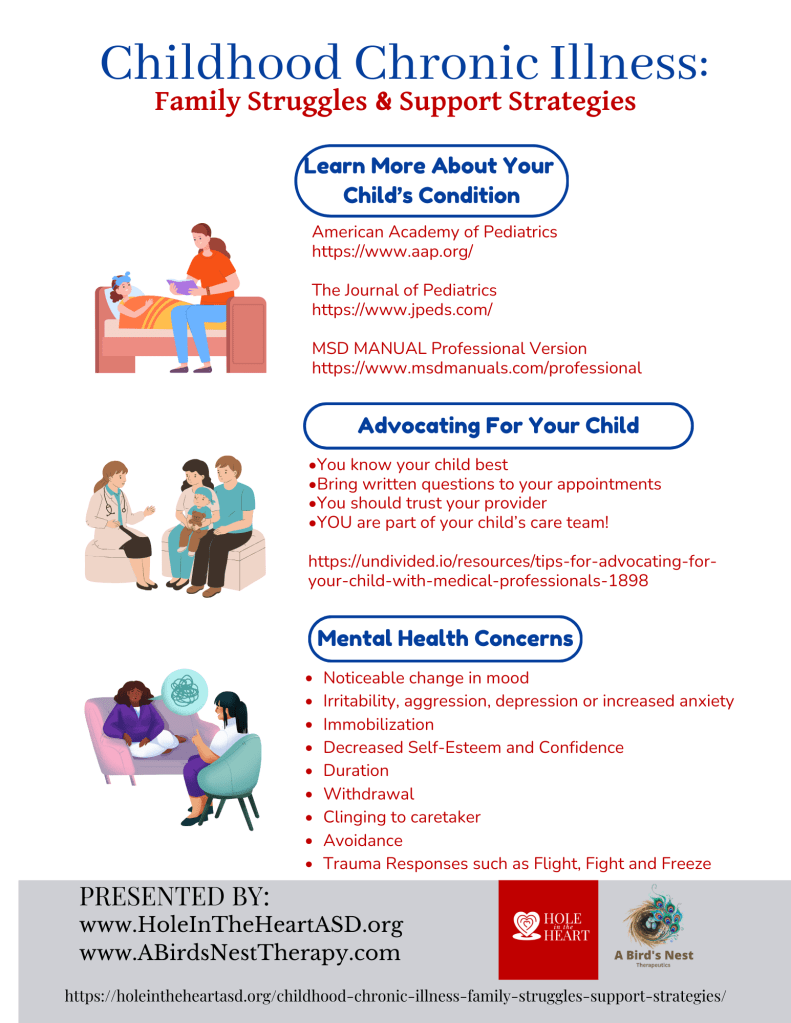
What often goes unrecognized in our son’s childhood chronic illness are the trauma, early survival instincts, and the early onset of anxiety, depression, and PTSD (post-traumatic stress disorder). These same mental health concerns ripple out to caregivers, siblings, and other close relatives. We recommend mental health support for total care of the family.
If you’re a parent of a child with a chronic illness, your story matters just as much. By sharing our experiences, we connect with others facing the same challenges.
Unless someone has lived your exact experience, can they ever fully understand the struggles you face or have overcome?
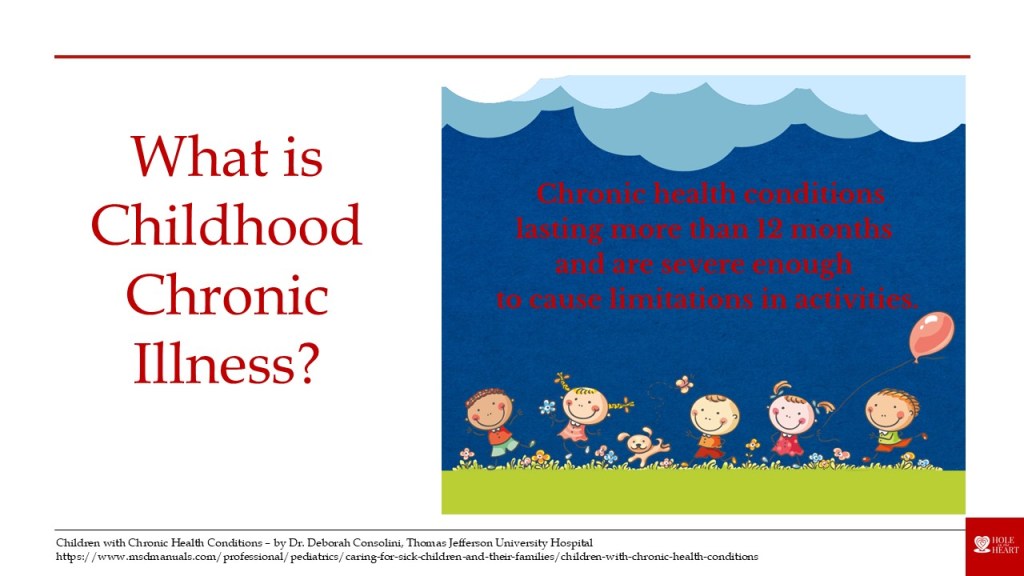
It has been estimated that chronic health conditions affect 10-30% of children, depending on the criteria. Ex: congenital heart disease, asthma, cystic fibrosis, diabetes, ADHD and depression. Children with chronic health conditions may have some activity limitations, frequent pain or discomfort, abnormal growth and development, and more hospitalizations, outpatient visits, and medical treatments. Children with severe disabilities may be unable at times to participate in school and peer activites.
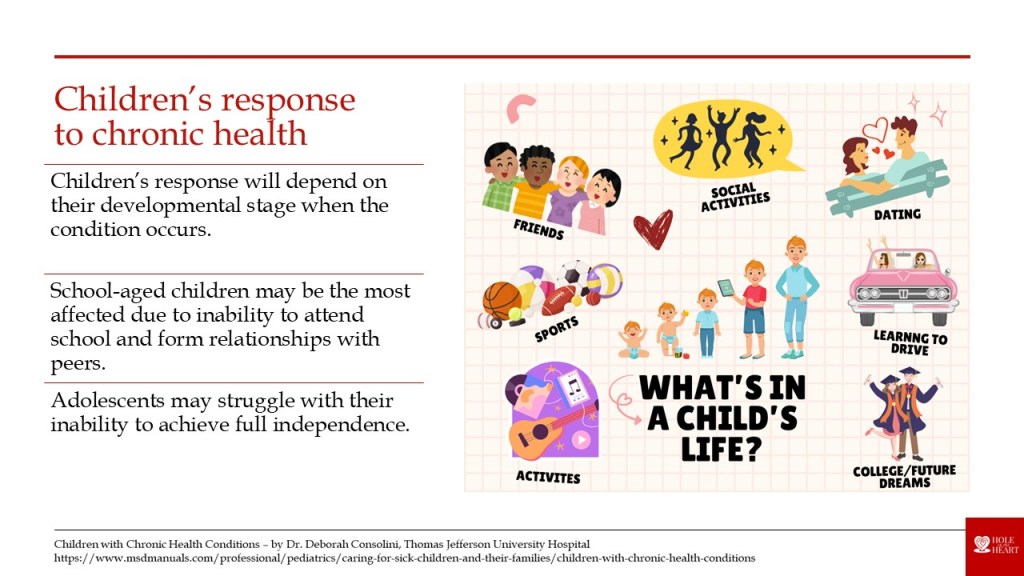
Children’s response to a chronic health condition largely depends on their developmental stage when the condition occurs. Children with chronic conditions that appear in infancy will respond differently than children who develop conditions during adolescence. School-aged children may be most affected by the inability to attend school and form relationships with peers. Adolescents are going through a time when being similar to peers is very important, so they find it particularly difficult to be viewed as different.
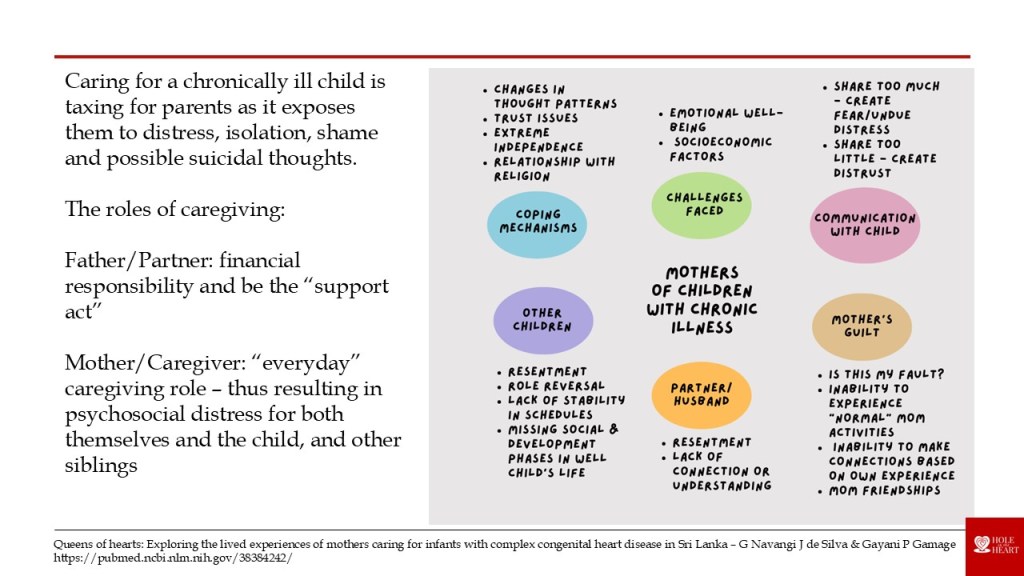
For Mothers, having a child who has a chronic health condition can lead to loss of their hope for an “ideal” child, neglected siblings, major expense and time commitment, confusion caused by conflicting systems of health care management, lost opportunities (ex: mothers providing primary care to the child are therefore unable to return/or continue work), and social isolation.
Family values are a reflection of who we are and how we parent. When we articulate and live those values, our children learn life lessons. They learn to express themselves, solve problems, grow from mistakes, and develop other skills and abilities that lead to fulfilling lives. Parents learn too.
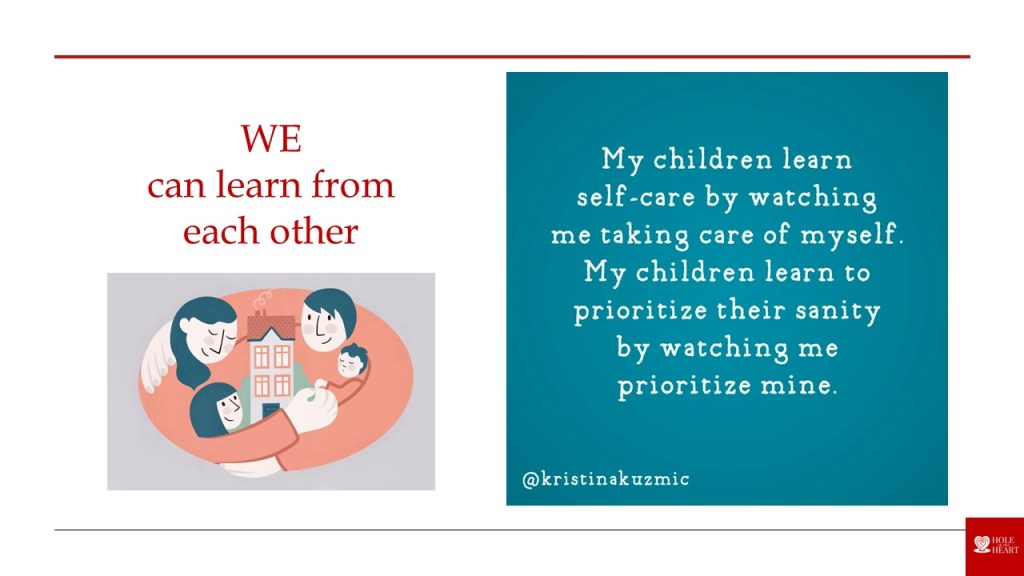
Children learn self-care from their parents by observing their behaviors and attitudes. When parents prioritize their health, manage stress, and engage in activities that make them happy, children understand the importance of taking care of themselves. Parents can model healthy habits and teach self-regulation skills.
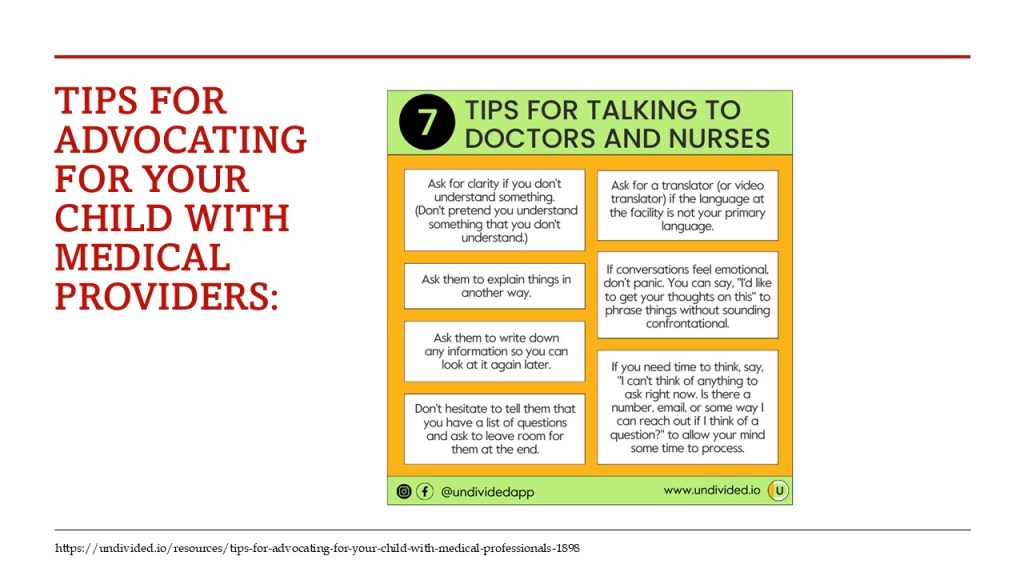
YOU know your child best! It’s very important for parents to understand that they’re not beneath any of the care team – they are part of the care team. Make sure you have contact information for your child’s medical provider – this will give you to time to ask questions later. Questions mean YOU CARE.
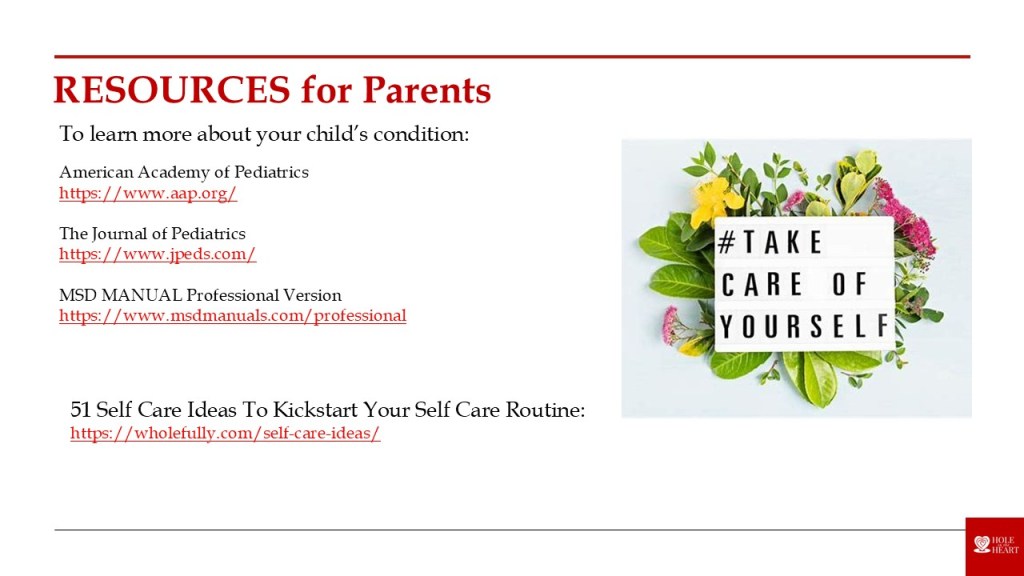
Learning more about your child’s condition will create confidence in your ability to advocate for your child. Knowledge is power!
The Fahrlenders are a work in progress. Through our own experiences, we share our journey and connect with other families who have similar stories. As we continue to pick up the pieces and put them back together, we realize that love is what has held our family together. From our hearts to yours, we wish you and your children happiness, health, and the very best in life!








 Hole In The Heart