Childhood Chronic Illness & Mental Health

A child’s health affects more than the body—it can affect their emotional well-being, relationships, learning, and confidence. Children living with chronic health conditions have increased risks for anxiety, depression, stress, and other emotional and/or behavioral concerns.
When a Diagnosis Comes Later
A delayed diagnosis can mean that a child and family have been living with unanswered questions.
There may have been:
Symptoms → uncertainty → repeated concerns → missed opportunities for evaluation → frustration → finally, a diagnosis.
By the time the condition is identified, the family may be dealing not only with the medical diagnosis, but also with the emotional impact of everything that came before it.
Chronic illness can already create challenges for school, friendships, activities, and emotional development. When a child does not understand what is happening, those challenges can become even harder to navigate.
Why Timely Diagnosis Matters
Timely diagnosis can give families something they may have been missing: an explanation and a path forward.
It can help families:
- Understand what may be happening
- Connect with the appropriate healthcare team
- Begin needed treatment or monitoring
- Make informed decisions
- Advocate for their child’s needs
- Request appropriate school or community support
- Help the child understand their health in an age-appropriate way
- Reduce some of the uncertainty surrounding unexplained symptoms
Knowledge can help children and parents feel more informed and more in control of a chronic condition.
Childhood Chronic Illness & the Impact on the Family
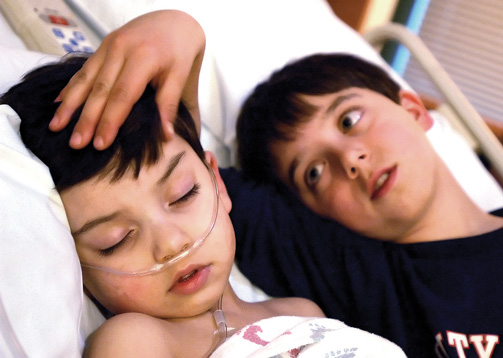
A child’s chronic health condition can affect much more than the child’s physical health. It can change the way an entire family lives, communicates, plans, works, learns, and copes.
When a diagnosis comes later in childhood, families may have already spent months or years trying to understand unexplained symptoms, changes in behavior, difficulty participating in activities, school challenges, or concerns that something simply “isn’t right.”
The impact can include:
- The child: Feeling different, isolated, anxious, frustrated, or limited in school, activities, friendships, or daily life.
- Parents and caregivers: Increased worry, stress, fatigue, uncertainty, guilt, or feeling overwhelmed by the responsibility of managing a child’s health.
- Siblings: Receiving less parental attention, taking on additional responsibilities, feeling worried or left out, or struggling to understand what is happening.
- Family relationships: Changes in routines, work schedules, finances, relationships, family activities, and time spent together.
- The entire family: Adjusting to a new reality while trying to maintain normalcy and support each other.
Families can also develop resilience, closeness, problem-solving skills, and a stronger sense of connection when they have information, communication, and appropriate support.
Offer Watch Their Hearts as Expecting and Newborn Detection
This initiative is available in both English and Spanish.
When working with expecting parents or families with a newborn, encourage them to watch the Watch Their Hearts reels. The short educational videos help families learn the six warning signs of CHDs and understand what to watch for after bringing baby home.
Share the reels with families and encourage them to save and share them with others. A few minutes of education can help a family recognize when something doesn’t seem right and know when to speak up.
Watch Their Hearts initiative from Hole in the Heart
Website: Watch Their Hearts | Hole In The Heart
http://www.HoleintheHeartASD.org/watch-their-hearts/




💗 A Simple Message for Families
You know your baby best.
If something doesn’t seem right, trust your instincts and speak up.
Don’t wait for a routine appointment if your baby is showing concerning symptoms. Share your concerns with baby’s healthcare team and seek urgent care when warning signs are severe or occur together.
Quick Reference: Questions to Start a Conversation
Ask:
- How is feeding going?
- Does the baby tire easily during feeds?
- Have you noticed sweating during feeding?
- Is the baby breathing faster or working harder to breathe?
- Have you noticed any unusual color changes?
- Is the baby gaining weight as expected?
- Has there been a change in activity or alertness?
- Do you have any concerns that something isn’t right?
Watch Their Hearts. Know the signs. Trust your concerns.
Have questions? We’re here to help.
Thank you for taking the time to learn about Watch Their Hearts and for the important role you play in supporting newborns and families. Your willingness to listen, notice concerns, and encourage families to speak with their healthcare team can make a meaningful difference.
Have additional questions or need guidance about a newborn/baby or concerns you’ve noticed? We’re here to help connect you with information and resources.
Follow us on social media to stay updated on our latest CHD education initiatives and advocacy efforts.


Medical Resources for Each Section:
What Is a Congenital Heart Defect (CHD): CDC – Congenital Heart Defects Toolkit
CCHD Screening: CDC – Screening for Critical Congenital Heart Defects, American Academy of Pediatrics (AAP) – Newborn Screening for CCHD, AAP 2025 Clinical Report – Newborn Screening for CCHD
CHD Signs and Symptoms: CDC — Clinical Screening and Diagnosis for Critical Congenital Heart Defects, CDC — About Congenital Heart Defects: Signs and Symptoms
CHD Patterns & Patient Care: AAP — Awareness of Congenital Heart Defects Among Healthcare Clinicians; AAP Pediatric Care Online — Congenital and Acquired Heart Disease
Children with Chronic Illness: AAP — A Roadmap to Emotional Health for Children and Families With Chronic Pediatric Conditions; MSD Manual – Children and Youth with Special Health Care Needs
Childhood Chronic Illness & the Impact on Family Members: The Journal of Pediatrics – Clinical Health Outcomes of Siblings of Children with Chronic Conditions: A Systematic Review and Meta-Analysis; Psychology Today – Supporting Parents of Children with Chronic Illness; National Library of Medicine – Health Outcomes of Parents of Children with Chronic Illness: A Systematic Review and Meta-Analysis

